Pain control is one of those skills that specifies the high quality of frontline care. When a client is agonizing on the flooring of a factory, or a child is panicked after a compound crack at a weekend break game, you do not have long to make audio decisions. PUAEME008, Offer Pain Management, orders what skilled responders have to do to evaluate pain, choose and supply risk-free analgesia, monitor outcomes, and turn over treatment. It is more than a system of competency. It is a small between a medical professional and an individual in distress.
I have provided and analyzed this device for mixed groups, from remote mine paramedics to city event paramedics, and the same motifs come up every course: recognize your pharmacology and contraindications, regard authorization and law, always remember non‑pharmacological care, and file as if somebody else will require to run with the baton 10 mins later. This article unpacks PUAEME008 in sensible terms and provides a functioning image of what skilled efficiency looks like in real environments.
Where PUAEME008 Sits in Practice
PUAEME008 beings in the Public Safety And Security Training Plan and is commonly packaged into pain management courses run by registered training organisations for emergency -responders and allied wellness experts operating in ascetic or prehospital contexts. Learners are generally currently trained in key survey, airway administration, standard life assistance, and scene safety. The supply pain management training course improves that foundation to deal with safe, reliable analgesia across a range of patients and environments.
Providers vary throughout Australia. Some deliver the unit as a standalone pain monitoring certificate training course, others fold it right into wider programs like remote area initial responder training. For registered nurses and physiotherapists who work in occasion medicine, work health, or remote outreach, it can complement specialist enrollment by formalising prehospital analgesia skills. It is not a replacement for a tertiary discomfort fellowship. Rather, it is a concentrated emergency situation discomfort management module that asks an essential question: can you eliminate discomfort promptly and securely while expecting deterioration?
The Competency at a Glance
PUAEME008 assessors search for clear, observable efficiency. The wording varies somewhat across versions, but the core needs remain steady:
- Recognise and assess acute pain utilizing organized tools matched to the person and situation. Select ideal analgesic techniques, consisting of non‑pharmacological approaches, according to methods, extent of method, and available resources. Administer analgesia securely using approved courses, does, and tools while preserving infection control. Monitor reaction, adverse effects, and important indicators, then titrate or cease treatment accordingly. Communicate plainly, gain authorization, document, and hand over to a greater degree of care.
These elements sound clean theoretically. Real scenes are not. You will certainly analyze a person with disruptive injuries and a wind blowing sand right into your eyes. You will try to find a radial pulse while a crowd films on their phones. Skills receives how you build a fast but trustworthy photo, maintain the person involved and tranquility, and use a method without tunnel vision.
Assessment and Triage: Reviewing Discomfort, Not Presuming It
Pain is subjective and heavily coloured by anxiety, society, and context. A jackaroo with a disjointed shoulder might rate his discomfort at six however look pale and clammy with a heart rate of 130. A kid may reject to talk but wince with a light touch. PUAEME008 anticipates responders to use pain ranges that fit the client. The numeric rating range from 0 to 10 matches verbalize adults. The Wong‑Baker deals with scale promotes communication with children or individuals that choose aesthetic hints. For non‑verbal patients, behavioral devices such as the FLACC scale assistance, though they need practice to avoid overcalling distress as pain.
Acute pain evaluation in the area must not wander right into a lengthy interview. Slow within the main and secondary surveys. Beginning with life dangers, then a concentrated pain history: area, onset, personality, radiation, seriousness, time training course, worsening or alleviating variables, and previous analgesics. Pulse oximetry, heart price, breathing price, blood pressure, and skin indicators use context. Note warnings that alter the strategy: transformed mental state, believed major hemorrhage, upper body pain with hemodynamic instability, extreme head injury, or signs of blood poisoning. PUAEME008 wants -responders to acknowledge when analgesia is essential and when assistance of respiratory tract, breathing, and flow has to precede it by mins that feel much longer.
Anecdotally, one of the most typical assessment error from brand-new students is falling short to reassess. They capture a baseline pain rating, supply an opioid, after that proceed with various other jobs. 10 minutes later on the pain has not budged, yet since no structured reassessment happened, the chance to titrate is lost. Excellent practice is simple. Tape a pain score prior to therapy, however every 5 to 10 mins or after each dosage. Match it with vitals and an observation of sedation level, so you can identify respiratory clinical depression early.
Pharmacological Options: What remains in the Package and When to Utilize It
The offer pain management course instructs pharmacological options aligned to organisational protocols. Availability differs. Remote clinics may stock methoxyflurane, intranasal fentanyl, paracetamol, and advil. Occasion medics might operate under standing orders for oral anesthetics just. Paramedic solutions add IV morphine, ketamine, and sometimes nitrous oxide.
Paracetamol stays the silent workhorse. At therapeutic doses it reduces discomfort in musculoskeletal injuries and soft tissue trauma. It also sets well with NSAIDs for a synergistic effect. Look for recent consumption to prevent collective toxicity, specifically in smaller sized adults or those with liver disease. Ibuprofen and other NSAIDs bring anti‑inflammatory benefits yet bring bleeding and kidney risks. Post‑operative individuals, the elderly with bad kidney reserve, and individuals on anticoagulants could be better served by alternative strategies.
Methoxyflurane, provided through a handheld inhaler, has a devoted following in the field. Its quick onset and patient‑controlled nature fit short, painful procedures like decreasing a disjointed shoulder or splinting a fracture. Look for sedation, hypotension, and the cumulative dose restriction. Lots of methods cap it at two 3 millilitre vials in 1 day. I have actually had patients that barely touched the inhaler after the very first min since concentrated mentoring and splinting soothed. Others needed the full allowance to promote extrication. It is tempting to advance with strategies while the person is patient, but if their vitals trend improperly, quit and reassess prior to continuing.
Intranasal fentanyl bridges an essential gap when IV accessibility is not possible. Right dosing based on patient weight and shipment through a mucosal atomisation device yields quickly analgesia. It is particularly valuable in paediatrics where cannulation delays care. Despite the ease, treat it with the respect you would any type of opioid. Know your contraindications, monitor respiration, and have naloxone ready, created, and close at hand. 2 percent of students forget to prime the atomiser during simulations, which reduces effectiveness. Construct a behavior of a fast tools list prior to administration.
IV opioids stay staples for lots of services. Titrated increments of morphine or fentanyl permit specific control. I favor little boluses tied to duplicated pain ratings and sedation assessments rather than huge front‑loaded doses, particularly for older adults. Ketamine offers a dissociative route for serious pain, especially in trauma where hypotension impends. Low dosage ketamine for analgesia varies from induction dosages used in step-by-step sedation. Nystagmus and dissociation can agitate the person and spectators, so comprehensive pre‑briefing helps. I have actually found that tranquil narration throughout administration minimizes the chance the client will panic as the medication takes effect.
Nitrous oxide still shows up at some occasions. It is exceptional for short, sharp procedures, but logistics and contraindications complicate its use. Expecting patients, those with digestive tract blockage, pneumothorax, or trapped gas worries must not receive it. Cylinder monitoring at a congested site comes to be an additional danger otherwise controlled.
Whichever agents you carry, PUAEME008 supports technique in clear procedures and scope. Do not improvisate beyond training and authorisation, even when stress places. If your discomfort administration training program covered intranasal fentanyl and you work under an arrangement that permits it, you are on solid ground. If ketamine is not in your method model, the right option is to intensify or look for extra support, not to push boundaries.
Non pharmacological Approaches: Usually Faster, Always Cheaper
I have actually seen a nervous patient's pain decrease from 8 to 4 within two minutes with nothing greater than a great splint, a cozy blanket, and controlled breathing. We discuss drugs because they seem like activity, however fundamental actions matter.
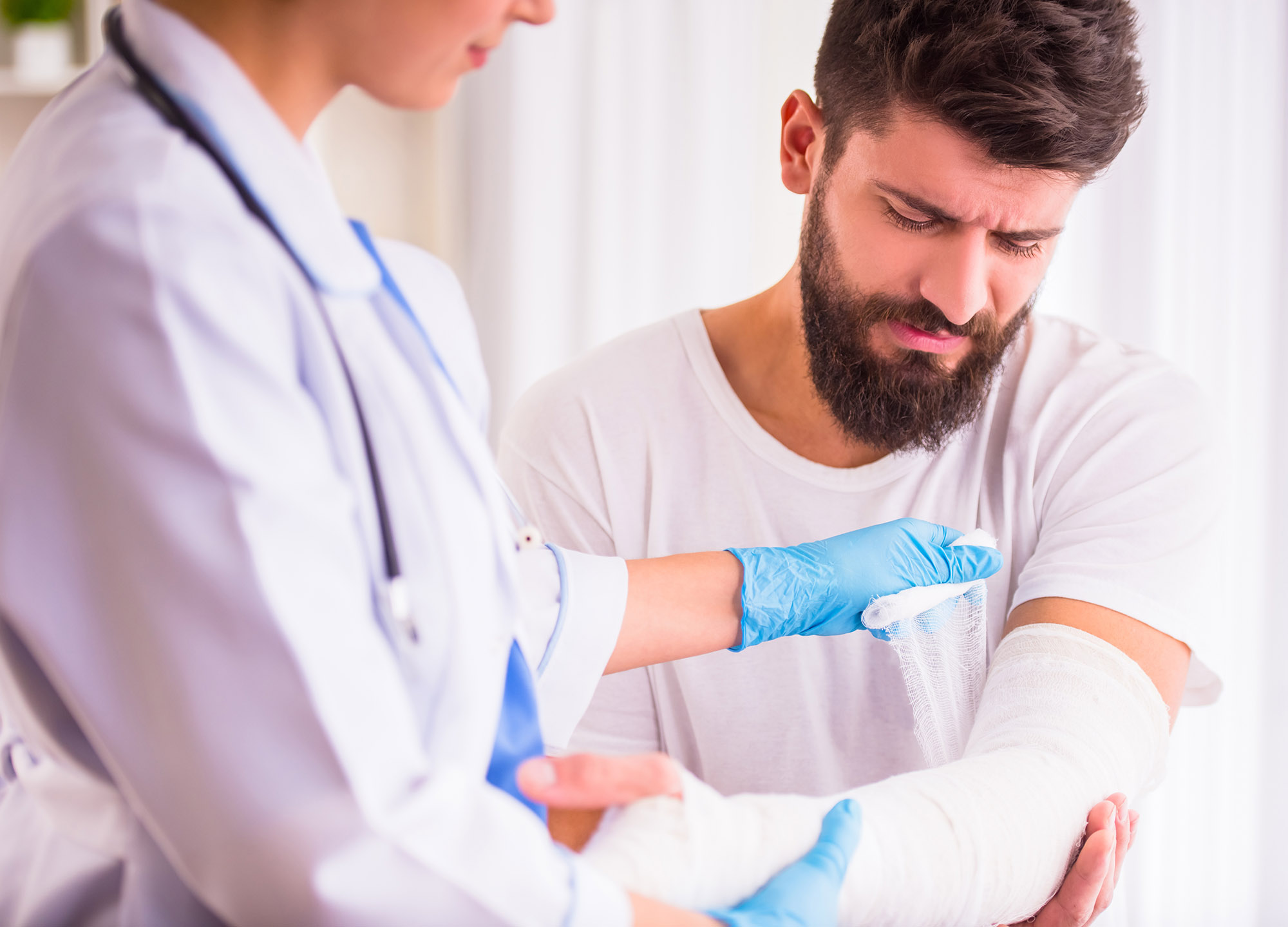
Immobilisation and splinting remain the most potent non‑drug interventions for trauma discomfort. Correctly padded, well located splints reduce motion and muscle mass spasm. Mild traction in presumed lengthy bone fractures can soothe the worst of it even prior to definitive care. Cold treatment lowers swelling and numbs superficial tissues when utilized deliberately. Heat can help muscle convulsion, yet prevent it on fresh traumatic injuries.
Positioning slides under the radar. A person with kidney rock discomfort frequently discovers alleviation curled on one side. Rib cracks feel better with the chest a little raised and supported. Encourage placements that minimize muscle strain, offered spinal injury is not presumed. Easy breathing training decreases sympathetic drive and raises tolerance. I make use of a three count in, 6 count out rhythm to advertise parasympathetic tone, tuned to the person's convenience. Include interruption. Assisted imagery appears soft until you see a kid with a lower arm fracture resolve enough for cannulation since you inquired about their pet dog and the next football match.
Non pharmacological care is where physiotherapists and registered nurses bring huge value. Pain monitoring programs for physiotherapists typically stress activity methods that minimize pain without surging stress and anxiety, and nurses bring a second sight for positioning and reassurance that pays returns. PUAEME008 anticipates responders to demonstrate these procedures together with pharmacology, not as an alleviation reward when the drug set is light.
Consent, Interaction, and Cultural Safety
Consent can not be a rushed checkbox. Nearly every field mistake I have actually assessed after a damaging response included inadequate pre‑briefing. Prior to you supply any type of analgesia, clarify what you prepare to do, why, what the patient could really feel, and what adverse effects to watch for, then ask for permission. Grownups with ability can decline discomfort alleviation even if you believe it is in their rate of interest. Record the conversation.
Cultural safety issues. Stay clear of presumptions regarding discomfort expression. Some patients will certainly underreport pain to fulfill regarded expectations. Making use of neutral, open language helps. As opposed to asking "Is it a 10 out of 10?", try "Can you show me on this range how solid the discomfort really feels right now?" For Initial Nations patients, welcome a support person when possible and be mindful of gendered treatment preferences in some communities. Time invested making trust fund is hardly ever squandered and frequently reduces the general time to reliable alleviation because the individual engages with your plan.
Paediatrics and older adults need unique attention. With youngsters, authorization includes parents or guardians, yet the youngster is entitled to an age‑appropriate explanation and acceptance. Older adults metabolise medications differently, and polypharmacy boosts threat. Halve the initial dosage, titrate gradually, and maintain a hawk's eye on respiration. I have stood in long transportation queues during heatwaves where a small 2nd dose of an opioid tipped a frail individual from comfy to precariously sleepy. Procedures usually enable half doses for older adults. Use that flexibility.
Monitoring and Managing Unfavorable Effects
Monitoring is the spinal column of secure analgesia. Record standard vitals and repeat at periods fit to the medicine's start and optimal. Opioids demand respiration price and deepness checks, oxygen saturation fads, signs of airway obstruction, and sedation level. Ketamine calls for high blood pressure, heart price, nystagmus surveillance, emergence responses, and queasiness. Methoxyflurane requires attention to degree of awareness and high blood pressure. Non‑opioid representatives are not freebies. NSAIDs carry GI blood loss and kidney stress risk, though these arise over much longer horizons. Expect allergic reaction with any type of agent.
Adverse results take place, despite having best strategy. The metric of proficiency is not staying clear of every occasion. It is recognition and decisive management. If a person becomes overly sedated after fentanyl, stop application, sustain the air passage, use additional oxygen, and ready bag‑valve‑mask assistance. If ventilation is insufficient or oxygen saturation drops despite respiratory tract maneuvers, use naloxone per protocol. I teach students to pre‑calculate the naloxone dose for their patient instantly after carrying out an opioid, and to verbalise the area of the ampoule. Under tension, this tiny habit maintains your reaction determined instead of frantic.
Nausea is common, particularly with opioids and methoxyflurane. Have antiemetics obtainable and position a vomit bag in the client's hands. Dizziness and orthostatic drops in stress often settle with positioning and fluids, if protocols enable. Watch on the clock. Drugs have half lives, and transport times can be deceitful. If you provide analgesia right prior to handover, interact that explicitly so the obtaining medical professional comprehends the timing and can anticipate the following reassessment window.
Documentation and Handover: The Tale Has To Travel
Good notes make you a much better clinician. Poor ones erode trust and connection. For PUAEME008, paperwork indicates the pain evaluation tool made use of and scores in time, the medicines provided with dose, course, and time, the client's response, unfavorable impacts and activities taken, consent discussions, and non‑pharmacological steps. It additionally means context: device of injury, placement discovered, and any barriers or delays.
Handover take advantage of a straightforward structure. I favour an adjusted IMIST‑AMBO strategy for discomfort: Identification, Mechanism, Injuries/illness, Signs consisting of pain scores and vitals, Therapy offered (both non‑pharm and medicinal), and response. If the getting group listens to that you titrated 20 micrograms of intranasal fentanyl to a paediatric lower arm crack, with discomfort reducing from 8 to three, and that the youngster continued to be sharp with secure vitals and no nausea or vomiting, they instantaneously recognize where to choose up.
Training Pathways and Who Benefits
Pain monitoring training is available in different flavours. Brief courses in pain management packaged around PUAEME008 usually run 1 to 2 days, with a balance of theory, simulation, and practical analysis. Some suppliers include optional modules like nitrous oxide handling, or innovative splinting. A certificate training course suffering administration at this level does not provide prescriptive authority on its own. It confirms skills to supply analgesia within an organisation's medical administration and standing orders.
For registered nurses who get shifts in occasion medication or operate in rural centers, pain monitoring programs for registered nurses help equate hospital‑based abilities into prehospital restraints. Focus drops on minimal resources, solo choice production, and documents that creases efficiently right into ambulance or retrieval handover. Physiotherapists working pitch‑side or in remote outreach add value with biomechanics and mild motion methods. Pain administration courses for physio therapists teach exactly how to match those strengths with risk-free analgesic procedures when medical professionals are not instantly available.
Paramedic students frequently come across PUAEME008 integrated into their more comprehensive program. For very first -responders in the resources market, an offer pain management training course may be a licensing demand prior to being rostered to solo insurance coverage. The practical benefit is clear. When I compare occurrence reports before and after staff finish a discomfort monitoring accreditation course, I constantly see faster time to very first analgesia and less unplanned unfavorable events. The act of exercising permission scripts, rehearsing dosing, and memorising warnings changes behavior under stress.
Equipment and Setting: Information That Matter
You do not require a medical facility to supply great pain treatment, yet you do need trustworthy kit and a system that maintains it ready. Stock checklists save professions. Inhalers ran out last month aid no one. Atomisers that do not fit your syringes hinder plans. Add human variables. A dim stadium passage without a headlamp turns creating medicine right into a dangerous video game. A windy roadside strips warmth from a semi‑dressed client and presses their pain up while you prepare a line. Little touches obtain overlooked till they attack. I position a thermal covering under and over trauma people whenever feasible, after that reassess pain before I reach for drugs.
Storage and safety and security issue. Opioids need locked storage space and mindful accountancy. Maintain a tamper‑evident system and train every employee to utilize it similarly. Naloxone should sit near opioids, not hidden in a separate bag. I have seen teams keep it in an anaphylaxis package 2 zips far from the fentanyl. During a dilemma, those zips become canyons.
Finally, practice where you stand. In cramped altering areas, choose beforehand that attracts, that holds, that files. Simulation with full gear is worth an hour of slides. The very first time you try to titrate ketamine while a demonstrator's pals crowd the entrance needs to not be the first time you realise your display cable is too short for that corner.
Legal and Moral Boundaries
PUAEME008 assumes practice within an administration structure. Administrative policies and organisational methods specify which representatives you can use, under what conditions, and with what oversight. Discomfort monitoring certification does not certify you to experiment. It validates you can use a defined procedure safely. Keep copies of your range of practice, standing medication orders, and negative event rise pathway easily accessible. If you function throughout courses that provide pain management education organisations, expect variant. One company may enable intranasal fentanyl under a medical practice guideline. Another might limit your analgesia to dental representatives and methoxyflurane.
Ethics appear most sharply when people reject treatment, when spectators push you to hurry, or when an associate urges a shortcut that slips past protocol. Your support is the mix of person autonomy, educated approval, and non‑maleficence. Decline to provide a drug if contraindications exist, also if the client insists. On the flip side, do not withhold analgesia as a bargaining chip for participation. Align with the receiving solution early when you expect facility decisions. A quick phone seek advice from buys scientific and lawful short pain management courses cover.

Building Competence: What Quality Training Looks Like
Not all discomfort administration training programs cover the very same ground. Try to find programs that balance pharmacology with scenario time, include equipment managing drills, and call for demonstration of consent discussions. A great provide pain monitoring course consists of:
- Realistic simulations that check assessment, drug prep work, tracking, and handover with time pressure. Coverage of non‑pharmacological techniques along with pharmacology, with functional splinting drills. Clear web links to methods and extent, consisting of paperwork themes and adverse occasion management. Paediatric and older grown-up factors to consider, with dosing variations and communication techniques. Assessment that consists of duplicated reviews over a scenario, not simply a single dosage and done.
As an assessor, I expect the rhythm of care: evaluate, decide, explain, prepare, carry out, keep an eye on, reassess, paper, turn over. When students internalise that loophole, their clients improve care and their tension goes down.
Common Risks and How to Stay clear of Them
A couple of patterns show up repeatedly. The initial is dealing with pain scores as design as opposed to as choice anchors. If the discomfort remains high after a practical start duration and there are no damaging indicators, titrate. If the pain drops to a light degree, pivot to comfort steps and discontinue dosing. The 2nd is equipment bad moves: vacant atomisers, ran out vials, missing out on filters for inhalers. A pre‑shift list stops a lot of these. The third is underestimating non‑drug alternatives. Pain administration is not a contest to see exactly how swiftly you can create fentanyl. Splint early, train breathing, regulate the environment, after that grab the vial.
The most major risk is bad surveillance. An individual that looks "comfy adequate" can still glide right into breathing anxiety, specifically in warm, encased rooms or throughout transportation when motion wanes them. Build habits that make it through distraction. Reveal your reassessment times out loud. Ask a teammate to establish a timer on the monitor or phone. Create management times on your glove if you must.

The Benefit: Faster Relief, Safer Treatment, Better Handover
When teams accept the complete extent of PUAEME008, scenes feel different. People move from panic to engagement. Extrication times reduce since activity hurts much less. Transportation is calmer, handovers more clear. In audits, you will certainly see less outliers in dosing and a smoother spread of pain scores trending down within 10 to 15 mins of initial call for moderate injury. The most effective compliment I have obtained after a busy festival change originated from an obtaining registered nurse: "Your notes tell the story, and the individual appears like the notes check out."
If you are picking a discomfort management accreditation training course, concentrate on programs that practice the tale from initial contact to handover rather than those that just instruct how to push a drug. If you manage a team, embed the device into routine abilities maintenance. Discomfort administration training for nurses, physiotherapists, and very first responders is not a one‑and‑done. Protocols develop and abilities boring without use. Quarterly brief drills keep the edge.
The heart of PUAEME008 is basic. Meet discomfort quickly and pleasantly, choose treatments that match the person and the circumstance, see meticulously, and inform the next clinician exactly what happened. Do those things well and you will satisfy the expertise. A lot more significantly, you will certainly assist people feel secure once again in mins that or else extend into an eternity.